Land acknowledgements alone are not nearly enough | Life on the Rocks
Published 1:30 am Friday, November 14, 2025
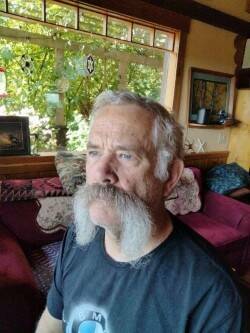


By Steve Ulvi
Journal contributor
Over many years, I have often thought about the ritualized public expressions of alignment with certain social constructs, organizations, religious practices and national symbols. Even at an early age, I felt conflicted when confronting some of these situations. Early on, I awkwardly began questioning authority, but over time became increasingly comfortable with non-conformity. Fortunately, along my “go north, young man” path into adulthood, I had the great fortune to meet many people embracing conservation ethics, environmental protections, counter-cultural beliefs and a clear understanding of the dark underbelly of American history that confirmed my distrust of blind faith and rigid social conformity.
For forgotten reasons in my early teens, I began to stand, close my eyes, head bowed in silence, as the rest of the class recited the pledge of allegiance. Teachers were offended that anyone would deviate from the social norms of the early 1960s. Mindlessly pledging to changing social values symbolized by a fabric flag, without careful consideration of the context and meaning of the words, is all too easy. Even children can do it! I stand in silent respect for other national values of equal or greater import to me (portrayed in the Bill of Rights and Constitution) than the static phrases of the pledge, significantly altered in the 1950s.
In the last few years, what began in Australia in the 1970s as a recognition of Aboriginal rights, then emerged in Canada during government Rights and Reconciliation efforts for First Nations, and then in America within the bubbly diversity, equity and inclusion context, has become known as a Land Acknowledgement. I have mildly scorned the feel-good recognition of deep-time tribal use and occupancy that began many local meetings. Unsurprisingly, many organizations have now backed away from restating the obvious.
The modern land acknowledgement is just a repetitive phrase of fuzzy intention, absent of actions to further local tribal recovery from the long years of genocide, forced assimilation and systemic racism they endured. So, as many have pointed out, it is just another empty promise cloaked in fancy words. Momentarily allaying social guilt is not helpful.
Perhaps far more effective for all islanders who feel disheartened by the cascading impacts of continued manifest destiny would be acknowledging the need for collaboration with tribes, as multiplying oil transit, axing environmental protections, defunding marine research programs, undercutting salmon recovery efforts and defunding industrial pollution cleanup work threaten quality of life in these islands. Our Canadian friends and tribal relatives are being distanced even further than the arbitrated border decision in 1872, through tariffs and schoolyard taunts in 2025.
We cannot turn back the clock on the massive injustice toward the natural world and indigenous peoples in the name of ruthless growth, landscape-scale alterations and corporate profit-taking that characterize the history of the Pacific Northwest. But we can push back in our small way with regional allies on the latest undoing of hard-won protections. But more importantly, we can collaborate toward greater County self-reliance and resilience as fossil fuel production and use (and carbon emissions) are insanely redoubled.
There is promise in collaborative actions focused on agrarian production, traditional knowledge and proven conservation principles that can help our community adapt to future food supply disruptions. Check out the Grange-Land Bank Overmarsh farm commons for starters!