Spring cleaning? Protect yourself against hantavirus
Published 1:30 am Monday, April 20, 2026


Submitted by San Juan County.
Your local public health team wants to remind you of a few tips to help make your spring season as fun and healthy as possible.
Before you start cleaning your shed, garage or cabin this season, there are some safety precautions you should take to protect yourself against hantavirus pulmonary syndrome, or HPS. HPS is a severe, and sometimes fatal, respiratory disease contracted from rodents.
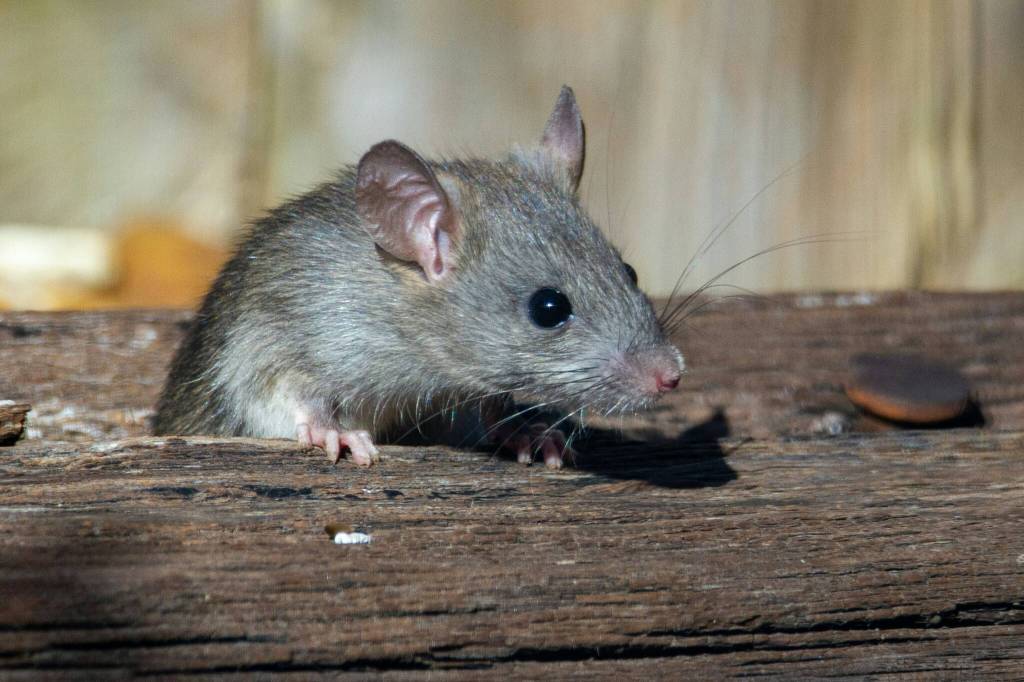
Any activity that puts you in contact with deer mouse droppings, urine, saliva or nesting materials can place you at risk for infection. Exposure can happen if you inhale contaminated dust. This can happen after disturbing rodent droppings or nests while cleaning, or by living or working in rodent-infested settings.
If you see a rodent nest, droppings or infestation, it is important to clean up safely. Here are some precautions you can take to reduce the risk of exposure to hantavirus:
• Ventilate the space before cleaning. Open doors and windows for at least 30 minutes.
• Avoid stirring up dust. Don’t use a leaf blower, vacuum, broom or other dry cleaning methods like dusting.
• Wear rubber, latex, vinyl or nitrile gloves.
• Wear a well-fitting N95 mask. A dust mask may provide some protection against dust during cleaning, but it does not protect against viruses.
• Thoroughly wet any contaminated areas with a diluted bleach solution. This includes trapped or dead rodents, droppings and nests. To learn how to wet clean safely, DOH has instructions on its website.
• Double-bag the dirty rags and any dead rodents. Then place them in a sealed garbage can.
• Wash gloves with disinfectant or soap and water before removing. Avoid touching your eyes, nose and mouth after cleaning. Wash your hands with soap and water thoroughly after removing your gloves.
If you have been exposed to deer mice or mice-infested buildings and you experience symptoms of fever, muscle aches and/or severe shortness of breath, contact your health care provider immediately. Let your provider know of possible deer mouse exposure so that they are alerted to the possibility of rodent-borne diseases, such as HPS.
Symptoms of HPS begin one to eight weeks after inhaling the virus. Initial symptoms may include fever, sore muscles, headaches, nausea, vomiting and fatigue. After three to five days, the disease worsens and causes shortness of breath. Hospital care is usually required.
Preventing rodent infestation is the surest way to prevent HPS:
• Remove rodent food sources. Keep food (including pet food) in rodent-proof containers.
• Seal up cracks and gaps. Seal any cracks and gaps in buildings that are larger than a quarter inch, including windows and door sills, under sicks around pipes, in foundations or attics, which are potential entry points for rodents.
• Trap indoor rats and mice with snap traps or electronic traps. Poison baits and glue traps can be effective, but may also cause other undesirable effects. To learn more about these options, go to DOH’s website: https://doh.wa.gov/community-and-environment/pests/rodents.
This is the first article in our spring environmental health series. Stay tuned for our next article with more information on how to help islanders have a safe spring!