The sea never signed your border
Published 1:30 am Saturday, November 1, 2025

By Josiah French Feld (JESESIṈSET), PKOLS — Preserving Knowledge of Land and Sea
If you stand still on STOLȻEȽ long enough, you can hear it, that low hum under your boots. Not wind. Not imagination. The land itself. The women. The W̱SÁNEĆ women. Still holding this island together through the echo of their hands.
Most folks here don’t hear it anymore. They drive their Subarus to the farmer’s market, brag about “island roots,” and sip local coffee while talking about heritage but they never ask who made this land livable in the first place.
STOLȻEȽ, what the maps renamed San Juan, was not a wilderness waiting for discovery. It was already engineered — a masterpiece of ecological genius crafted by the women who knew how to coax life from thin soil and salt air. There are no rivers here, just rain, moss, and memory. The W̱SÁNEĆ women learned how to turn that into abundance. They burned the prairies in rhythm with the moon. They managed camas and berries like clockwork. They turned scarcity into sustenance.
Then came the border, a bureaucrat’s pencil stroke through a living sea and everything fractured. The W̱SÁNEĆ were forced north, folded into Lummi, Swinomish and Samish families. But the border didn’t fool the tide. The sea doesn’t stop at customs. My family stayed. The island remembers us, even if history books don’t.
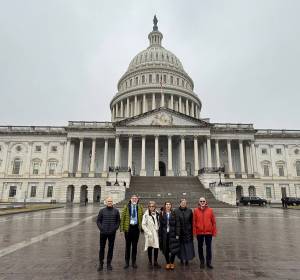
In late September, I walked with my Elder Chiyokten and Indigenous family from both sides of that border for four days of ceremony, September 27 through 30. We walked for salmon, for the waters, for the ancestors who never stopped walking beside us. But we also walked because the sea is under siege.
There’s a convoy of Tar Sands tankers lining up to shove half a billion barrels of crude oil a day through Haro Strait, our reef-net grounds, our sacred waters, the arteries of this living coast. It’s like watching someone plan heart surgery with a chainsaw.
And still, people shrug. They love this island’s beauty but refuse to admit it’s on borrowed time. They call themselves caretakers because they recycle, then stay silent while the sea becomes an industrial corridor.
By the third day of our Prayer Walk, the wind died. The ocean flattened to glass. Even the gulls went quiet. The island was listening again. It felt like STOLȻEȽ was asking: “When will they finally understand?”
The first treaty on these islands, in 1852, my family’s treaty was a promise that we would coexist as sovereigns. Equal nations sharing the same waters. That promise was broken, buried, paved over with paperwork and polite denial. To honor it now means more than words; it means restoring Indigenous law and responsibility to these waters. It means bringing back reef-net knowledge, teaching our youth the real names of this land, and finally acting like treaties aren’t optional.
It’s Native American Heritage Month, which means the official version of “appreciation” season. But out here, heritage isn’t a museum. It’s ceremony, stewardship, resistance, and continuity. It’s remembering that the beauty people moved here to enjoy was built on the back of a living covenant that still stands — even if most have forgotten their end of the deal.
You say you love this island? Then act like it.
Love isn’t just admiration. It’s an obligation. Protect the salmon. Push back on the tankers. Make space for Indigenous youth to return, to teach, to gather, to lead. This island doesn’t need more sentiment; it needs allies with backbones.
Because STOLȻEȽ is alive. It still prays.
The question is whether you’re listening or just enjoying the view.