Swinomish tribe celebrates Seattle City Council’s approval of historic settlement agreement
Published 1:30 am Sunday, April 12, 2026
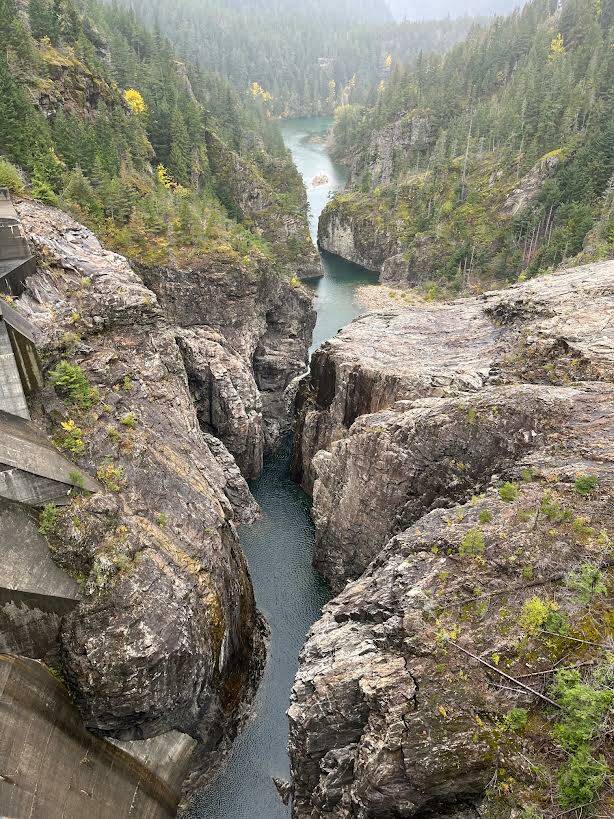
Submitted by the Swinomish Indian Tribal Community.
The Swinomish Indian Tribal Community is very pleased that the Seattle City Council unanimously (7-0) approved the ordinance authorizing the Comprehensive Settlement Agreement among City Light, tribal, federal, state and local partners. This is the final legislative approval step, and now the ordinance goes to Seattle Mayor Wilson for signature.
“The Swinomish Tribe is grateful to the Seattle City Council for approving this historic comprehensive settlement agreement that represents years of good faith negotiations and a deep commitment to restoring the Skagit River ecosystem and recovering our salmon populations for the benefit of future generations,” said Swinomish Tribal Community Chairman Steve Edwards.
The Comprehensive Settlement Agreement approved by the Seattle City Council provides a range of ecosystem benefits over 50 years, including funding and commitments to carry out:
$200 million for mainstem river and estuary habitat restoration.
$979 million for design, engineering and construction of fish passage facilities at the dams.
$10 million for early action scientific studies ahead of fish passage engineering and design.
$37 million for ongoing monitoring and adaptive management.
Continued flows to protect spawning and incubating Chinook, chum and pink salmon.
“Swinomish applauds the City Council’s substantial investment in the Skagit River, and is committed to using these ratepayer funds wisely. The Tribe supports fish passage at the dams as driven by best science and looks forward to working with our partners and fish passage experts to ensure that fish passage is successful and achieves our goals of advancing recovery of ESA-listed Chinook salmon and Steelhead. Swinomish wants to increase salmon availability for Tribes, Orcas and all Washingtonians,” said Edwards.
“Swinomish is proud to have played a leadership role in collaboration with our partners at the Upper Skagit Tribe and the Sauk Suiattle Tribe in achieving this historic milestone. The settlement will support transformational restoration and protection of the entire Skagit River ecosystem and our Treaty-protected resources for the benefit of generations to come. As People of the Salmon, the Tribe’s Treaty fisheries are central to its culture, economy and identity. Over the past seven years, the Tribe, with City Light and our tribal, federal, state and local partners, worked to ensure that stewardship of the Skagit River would leave a legacy of wild salmon so that the next seven generations of Swinomish Tribal members can exercise their Treaty rights as our ancestors have done since time immemorial. The comprehensive settlement agreement will honor our Treaty rights, strengthen the ecology of the river, and will secure our culture and traditions long into the future while also supporting Seattle’s long-term clean energy production,” said Edwards.
The Swinomish Indian Tribal Community has been impacted by the City of Seattle’s three hydroelectric dams for over 100 years. While Seattle residents enjoyed the benefit of cheap electricity for decades, it came at the expense of the Skagit River ecosystem and the tribe’s treaty rights. Swinomish believes the terms of the new license are the strongest and most balanced opportunity to protect and restore the Skagit watershed, continue providing clean power to the residents of Seattle, and support the tribe’s treaty rights.
The comprehensive agreement was reached amongst the three Skagit River tribes, Seattle City Light, the state departments of Ecology and Fish & Wildlife, and federal agencies including the National Marine Fisheries Service, U.S. Fish & Wildlife Service, U.S. Forest Service, Bureau of Indian Affairs, the National Park Service Seattle, Trout Unlimited, American Rivers, Skagit County and the Skagit Fisheries Enhancement Group. If approved by FERC, the new 50-year license will guide how Seattle invests hundreds of millions of dollars in the Skagit River watershed for estuary and mainstem habitat restoration, ensure flow protections for incubating and rearing salmon, perform scientific research and use adaptive management for climate change, and study and build fish passage at the dams.
Background information
The Swinomish Indian Tribal Community is a federally recognized Indian tribe with more than 1,000 members. Swinomish is a legal successor to the signatories of the 1855 Treaty of Point Elliott. The Swinomish Reservation is located 65 miles north of Seattle, Washington, on Fidalgo Island.