Housing and waste disposal costs spill into code enforcement
Published 1:30 am Tuesday, March 3, 2026
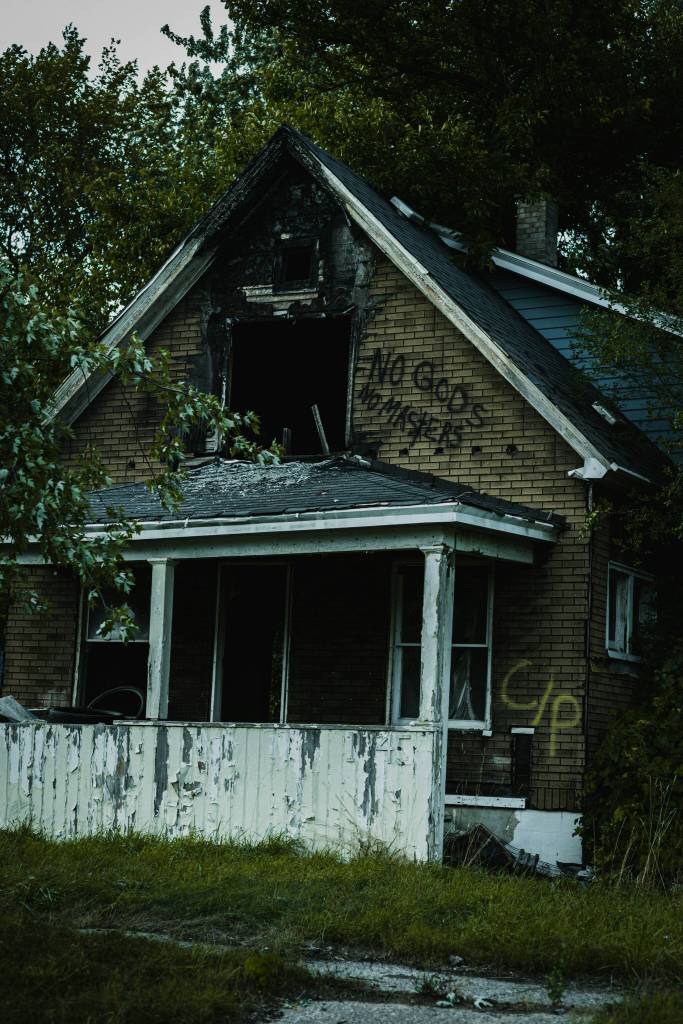
Code enforcement officer Rebecca Villaluz reported to the County Council in November that most code violations stem from a lack of housing and the high cost of waste disposal.
“The general lack of diverse housing choices for all segments of our population can, at times, result in unpermitted, unsafe, and environmentally detrimental housing conditions that oftentimes results in negative impacts to adjacent properties,” Department of Community Development Director Sev Jones told the Journal recently, citing unpermitted short-term vacation rentals, unpermitted structures that lack code-compliant and safe structural, heating, plumbing and cooking systems as examples. The use of trailers and RVs that exceed the County’s maximum of six months are also commonly reported to code enforcement. “When a complaint is received, we investigate the authenticity of the concern and then work with the resident on obtaining compliance with codes so that they can live in legal and safe conditions,” Jones added.
Other communities are in the same boat, according to Jones. The department is, however, seeing an uptick in subpar housing conditions throughout the islands. “We are aware of the difficulties residents are facing with housing and are attempting to quantify and define the situation as best as we’re able,” Jones said.
Jones noted that the DCD is aware of a significant shortage of long-term rentals, especially during the summer months, when much of the rental stock is shifted to seasonal short-term rentals. This seasonal transition makes it difficult for permanent residents to secure long-term rental housing.
In response to long-term rental shortages, the County adopted a short-term vacation rental ordinance in 2022. The ordinance provides guidelines and standards for short-term rental housing, and sets a maximum cap on the number of such rentals per island. Based upon general research, Jones said, there are a number of unpermitted short-term vacation rentals throughout the County. The Town of Friday Harbor also recently placed a six-month moratorium on transient rentals. A recent press release from the Town stated, “The Council will use this time to consider concerns around transient accommodations, including adequate parking, displacement of commercial uses, and the need for employee housing.”
In regard to long-term rentals, Jones said, “The County doesn’t regulate non-short-term rentals, so I don’t have as much data on these units.”
With the recent closing of hostels and low-cost hotels, short-term stay options are few and far between for those with limited income. When asked if he was concerned about the loss of low-cost short-term stays, Jones responded, “DCD recognizes the critical role these community assets provide our residents. Safe, affordable, and secure housing is a foundational component of any community. We are very concerned about any residents or families struggling with the ability to secure affordable housing. All demographics are affected – some, certainly more than others, and there’s no simple solution given the complexities involved. DCD is committed to utilizing what tools we currently have and finding other tools to help address this county-wide concern.”
Disposal of items such as defunct cars that contain pollutants like oil that can contaminate the soil and water is also an issue. Island services can be costly and difficult to access, Jones said, “due to connectivity challenges, and proper disposal of waste is no different. DCD’s Code Enforcement monitors illegal dumping/storage activities through a complaint-driven process.”
There are resources that may help with some disposal. Move It Now Junk Removal on San Juan can help carry some items away, and The Treasure Chest, also on San Juan, accepts a variety of items. On Lopez, the Solid Waste District has Take it or Leave it. On Orcas, there is The Exchange. For hazardous waste material, the county has periodic free Hazardous Waste Round Up where community members can bring items such as pesticides, fungicides and other poisons, gasoline and other used fuels, wood preservatives, solvents and thinners, pool and photo chemicals, resins, corrosives, degreasers, cleaning products, mercury, rechargeable batteries, propane cylinders (small, camping style), and aerosols. Visit the county website for dates on each island.
The department’s initial response, Jones explained, includes quantifying the situation and working with the property owner (if known) through education of relevant County codes with a goal of compliance with such codes. He reiterated that “A lack of available disposal options and sites does make this a challenge that is unique to our rural and isolated character.”
When asked what can be done to alleviate at least the housing situation, Jones said, “The County Council has directed DCD to prioritize housing issues as part of the Department’s 2026 work plan. Dependent upon available funding and staffing, DCD plans to research and recommend new land use and permitting tools that have proven to be successful in other communities across the nation struggling with similar housing issues.”
The DCD continues to make progress on several community-wide planning and construction efforts, including housing.
According to Jones, “We also have recognized some recent accomplishments, such as the recent adoption of the Comprehensive Plan Update. We are also making strong progress with an update to the County’s Critical Area Ordinance, as well as a much-needed reorganization of our Unified Development Code, which will provide more clarity and improved ease of use for everyone. Finally, the Department continues to catch up and remain current with building and land use permit applications – resulting in shorter permitting process timing in general.”
The Critical Area Ordinance draft can be viewed at https://sanjuancountywa.gov/documentcenter/View/34527/2026-02-11_DRAFT_CAO_REGULATIONS_Clean_ with proposed changes here, https://sanjuancountywa.gov/DocumentCenter/View/34528/2026-02-11_SJCC-1820-Critical-Area-Definitions.
The first draft will be available for comments until March 26, according to the County’s website. After that, a second public hearing draft will be developed, followed by public hearings with the Planning Commission and County Council later this spring. There will also be a series of community meetings to gather public feedback. Stay tuned for dates, times and venues.