Fall is here – Let’s check your heat sources and smoke and carbon monoxide detectors
Published 1:30 am Saturday, October 4, 2025
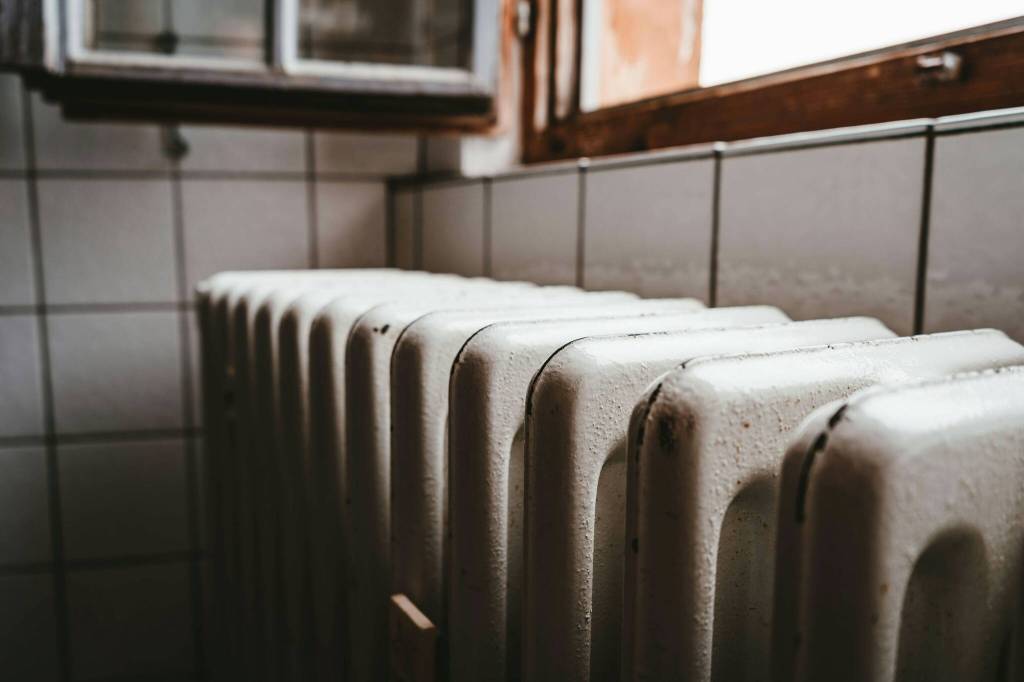



Submitted by San Juan County.
With the changing of the seasons comes an opportunity to check in on our household heating units, wood stoves and fireplaces. This is a great time to check the batteries in your smoke and carbon monoxide detectors, too. Use these helpful tips as you prepare for colder weather:
Check batteries
Replace your batteries every year or six months: Change the batteries in your smoke alarms at least once a year, or even more often, especially if you can associate it with turning your clocks back for Daylight Saving Time.
Listen for the “chirp”: A chirping sound from your smoke alarm indicates a low battery.
Never borrow batteries: Do not take a battery from a smoke alarm to use elsewhere; the unit can’t warn you of a fire without a working battery.
Test your alarms
Monthly tests are ideal: Test your smoke alarms at least once a month by holding down the test button until you hear a loud, clear alarm sound.
Involve the whole family: Test your alarms with your family to ensure everyone knows what the sound means and what to do.
Perform other maintenance
Check the date of manufacture: Smoke alarms typically last about 10 years, so check the date of manufacture on the back and replace the entire unit if it’s older than 10 years.
Clean the alarms: Vacuum or dust your smoke detectors regularly to remove any dust buildup that could interfere with their operation.
Practice your escape plan: Develop a fire escape plan with your family and practice it regularly to ensure everyone knows how to get out of the house quickly.
Additional fall fire safety tips
Clean your chimney: If you have a wood-burning fireplace, have your chimney inspected and cleaned before you start using it for the cooler months.
Check heating systems: Have your furnace or heating system checked by a professional before the cold weather sets in.
Clear flammable materials: Rake up leaves and other flammable debris from around your home to reduce outdoor fire risks.