Community rallies to protect San Juan shorelines from invasive European green crab
Published 1:30 am Thursday, July 10, 2025
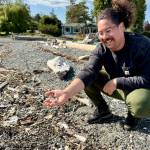
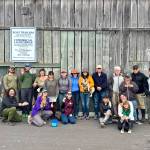
Submitted by Friends of the San Juans.
Local volunteers led by Friends of the San Juans have been hard at work supporting early detection and response efforts to control one of the most damaging invasive species in the Pacific Northwest: the European green crab.
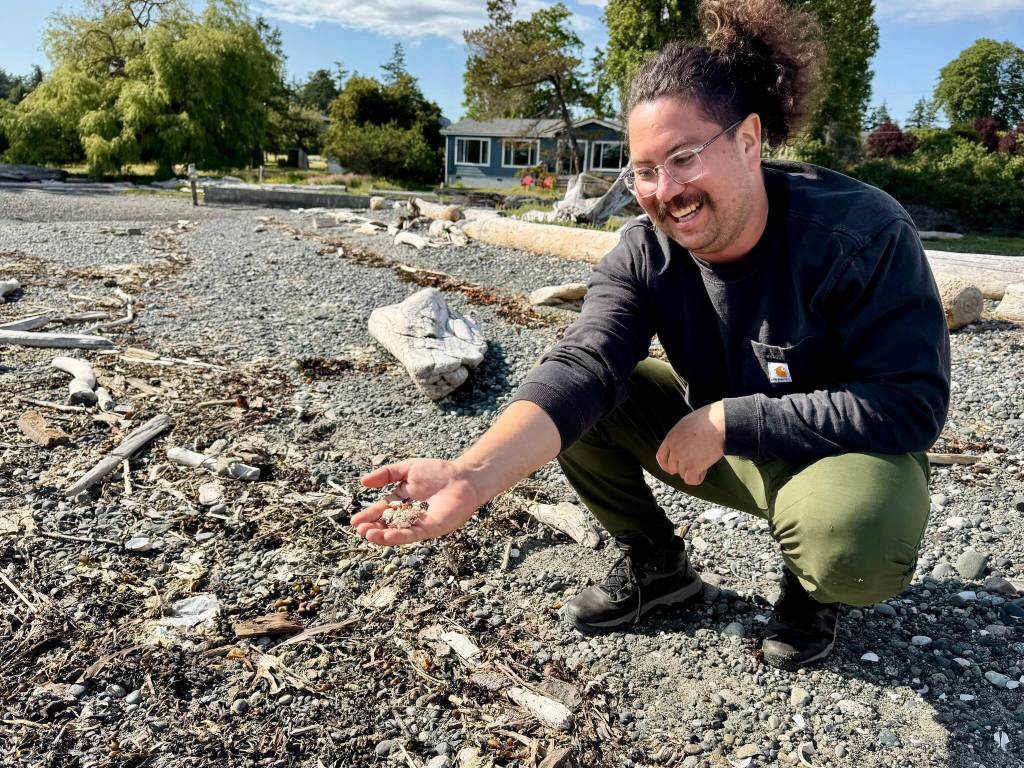
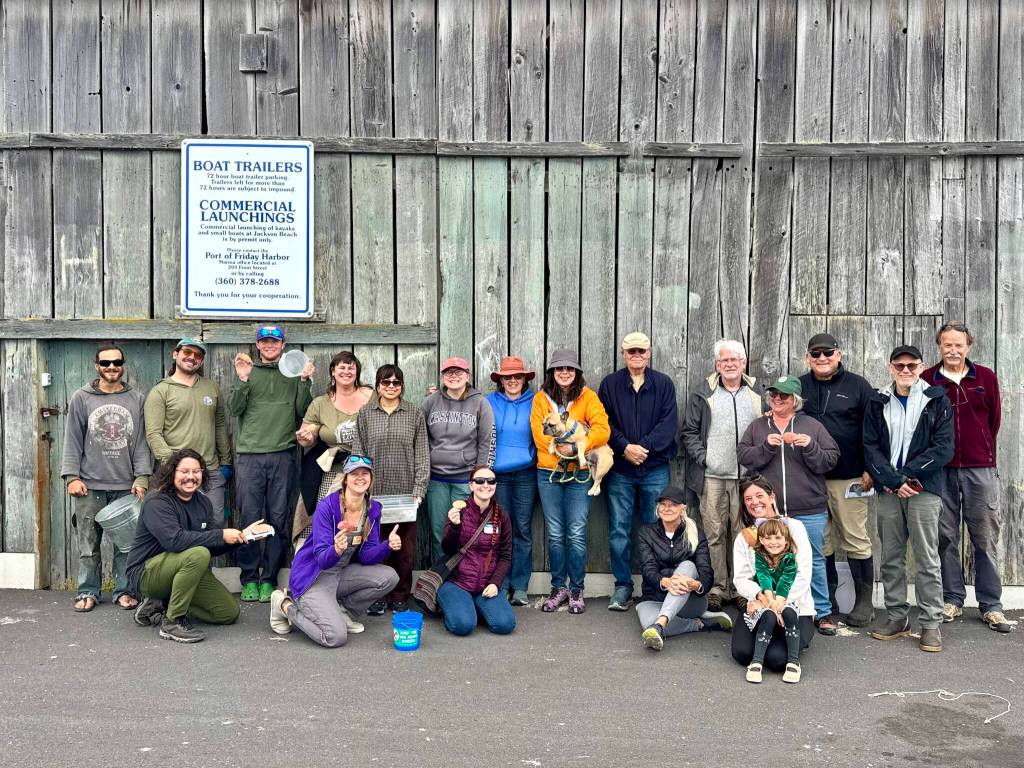
Through a partnership with Washington Sea Grant and WSU Extension’s Molt Search program, over the past month, Friends of the San Juans staff have trained dozens of community members to identify and report European green crab molts on local beaches, adding a powerful layer of community science to the region’s ongoing response network.
This effort recently took on greater urgency when the Washington Department of Fish and Wildlife detected several European green crabs in False Bay on southwest San Juan Island. Between June 15 and 18, WDFW set 128 traps across several sites around San Juan Island. Eight green crabs were found at False Bay, with no detections at other locations, including Roche Harbor. These June captures marked the first confirmed detection of European green crab in San Juan County since 2019.
“Friends has played a critical role in bridging state and local efforts by connecting WDFW with shoreline property owners in our membership willing to grant access to their private tidelands and beaches,” said Jess Newley, Friends’ community science and education director.
“These generous community members made it possible for WDFW to quickly deploy traps in critical habitats,” said Micah Mitchell, WDFW’s regional biologist coordinating European green crab in North Puget Sound. “We deeply appreciate this support—collaboration has been essential in advancing green crab control efforts.”
Native to western Europe and North Africa, the European green crab has spread to areas around the world and is recognized as a harmful invasive species that poses a serious threat to Washington’s native shellfish, eelgrass and estuarine ecosystems, habitats vital for salmon, forage fish and other marine life. Though small, green crabs are voracious predators and aggressive competitors, known to disrupt food webs, destroy eelgrass beds and undermine efforts to restore salmon and protect shellfish beds.
More information, identification guides and management updates are available on WDFW’s green crab species webpage: https://wdfw.wa.gov/species- habitats/invasive/carcinus-maenas.
This summer, as WDFW returns for continued trapping in early July, Friends of the San Juans will keep working to connect landowners, educate the public and expand our monitoring efforts through Molt Search protocols and trainings.
If you’re a shoreline property owner interested in supporting access for trapping, or if you’d like to help monitor local beaches for molts, please reach out! Together, we can help safeguard the health and resilience of our island ecosystems.
Reporting European green crabs
If you find a suspected European green crab or its shell in Washington, take photos and report it as soon as possible at wdfw.wa.gov/greencrab or through the Washington Invasive Species Council’s Washington Invasives mobile app (https://invasivespecies.wa.gov/report-a-sighting/). Crab identification guides and resources are also available on the European green crab online hub (https://wdfw-egc-hub-wdfw.hub.arcgis.com/pages/report-a-sighting) and the WDFWEGC webpage (https://wdfw.wa.gov/species-habitats/invasive/carcinus-maenas#resources).
As a prohibited invasive species, it is illegal to possess a live EGC in Washington. Currently, WDFW is not asking the public to kill suspected EGC. This is to protect native crabs, which are often misidentified. More information on EGC regulations is available on WDFW’s webpage (https://wdfw.wa.gov/species-habitats/invasive/carcinus-maenas#regs-seasons) and in the Washington Sport Fishing Rules (https://wdfw.wa.gov/species-habitats/invasive/carcinus-maenas#regs-seasons).
Targeting EGC with traps requires a permit from WDFW. For those who own or manage shellfish beds, beaches or tidelands, support and permits for European green crab control may be available.
Learn more about identifying and reporting green crabs:
Washington Department of Fish and Wildlife – Green Crab Reporting Molt Search Program at wdfw.wa.gov/species-habitats/invasive/carcinus-maenas.