Making and keeping our memories
Published 1:30 am Wednesday, July 15, 2026

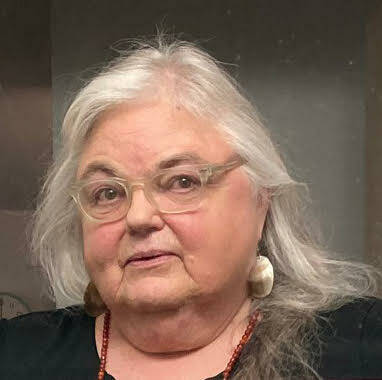


By Peggy Sue McRae
Journal contributor
Memories are treasures. When my cousin’s daughter got married, I watched my mom, in her bright pink pantsuit, white hair and white tennis shoes, walk into the deep green forest on our way to the wedding. I thought to myself, I want to remember this vision forever, and so far, I have. It’s like a little gem I’ve tucked into a special drawer inside my brain marked “keepers.”
As I get older, more things shift into the “I will probably never do that again” category. All-night drum circles are on this list. Glad I’ve done it. I cherish the memories, but that’s way past my bedtime these days. It may be cliché to say older people dwell in their memories, but if we have made it to elder status, we no doubt have a treasure trove of memories, plus new memories that we make every day.
Some of our memories will slip away without much notice. As poet Billy Collins wrote in his poem, “Forgetfulness,” “something else is slipping away, a state flower perhaps, the address of an uncle, the capital of Paraguay.” Lest we suffer a dramatic purge of our memories, there are a few things we can do to safeguard our magnificent brains and protect our treasured memories.
Reading, doing crossword puzzles, a hand of bridge or a game of chess can keep your brain cells lively while forging bonds of friendship. Learning a musical instrument will benefit your brain health with the added pleasure of making and listening to your own music. Music invites conviviality, which, it turns out, is also good for your brain. Social interactions ward off depression and stress, factors that can contribute to memory loss.
Being physically active is good for your brain. Being active enough to get blood and oxygen flowing to your brain as well as to the rest of your body is always good. The Department of Health and Human Services recommends at least 150 minutes per week of moderate aerobic exercise. Short walks, a game of Ping-Pong, maybe a little folk dancing, is all it takes.
Sleep is critical for brain health. The way I imagine it, during the deep sleep cycle, little electron-sized office cleaners come alive in my brain to tidy things up, maybe refiling a few things, dusting and taking out the trash. As far from real science as that may be, if I don’t get enough sleep, it can seem like it’s getting a little cluttered and dusty in there.
Finally, wear your seat belt. We may think of caring for our brains as something we do from the inside out; however, a brain injury can affect not just memory but thinking, coordination, speech and emotions. Wear a helmet when indicated and check your home for tripping and falling dangers.
Be healthy, stay safe and have a beautiful day creating and keeping some beautiful memories.