San Juan County’s shoreline protection plan draws sharp criticism from scientists and conservationists
Published 1:30 am Monday, April 13, 2026


By Darrell Kirk
Staff reporter
San Juan County is updating the rules that govern development near its most sensitive natural areas — and scientists, attorneys and conservationists say the county is getting it wrong.
At the center of the debate is the Critical Areas Ordinance, or CAO — the regulations that determine how close you can build to a wetland, a salmon stream or a marine shoreline. Under Washington state’s Growth Management Act, or GMA, counties must periodically update these rules using the best available science. The CAO works alongside the Shoreline Master Program, or SMP, which governs development along marine shorelines specifically.
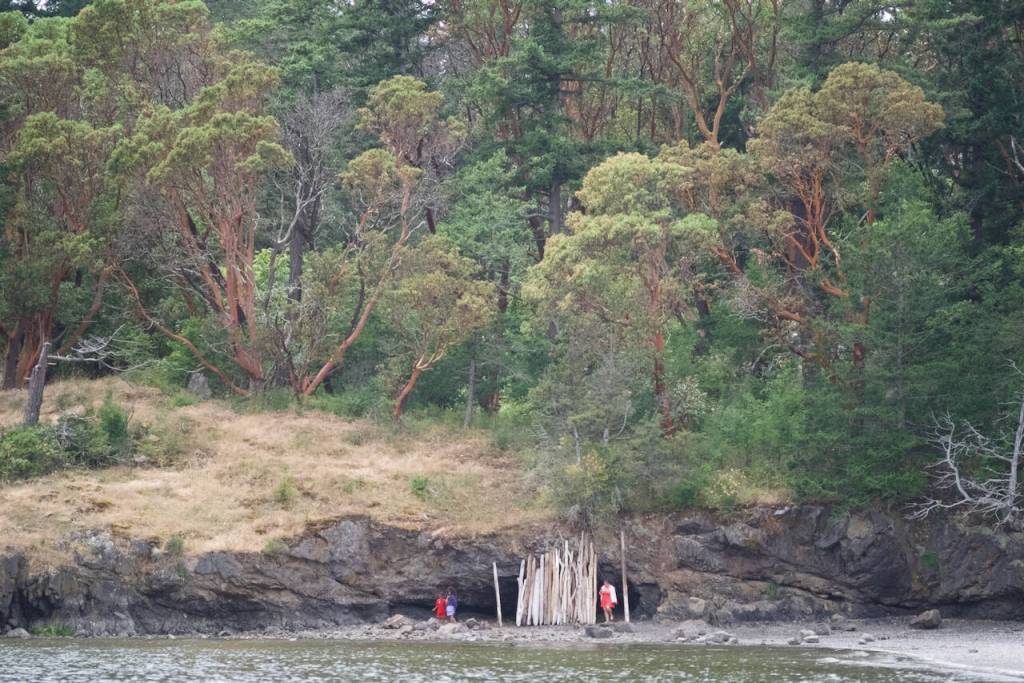
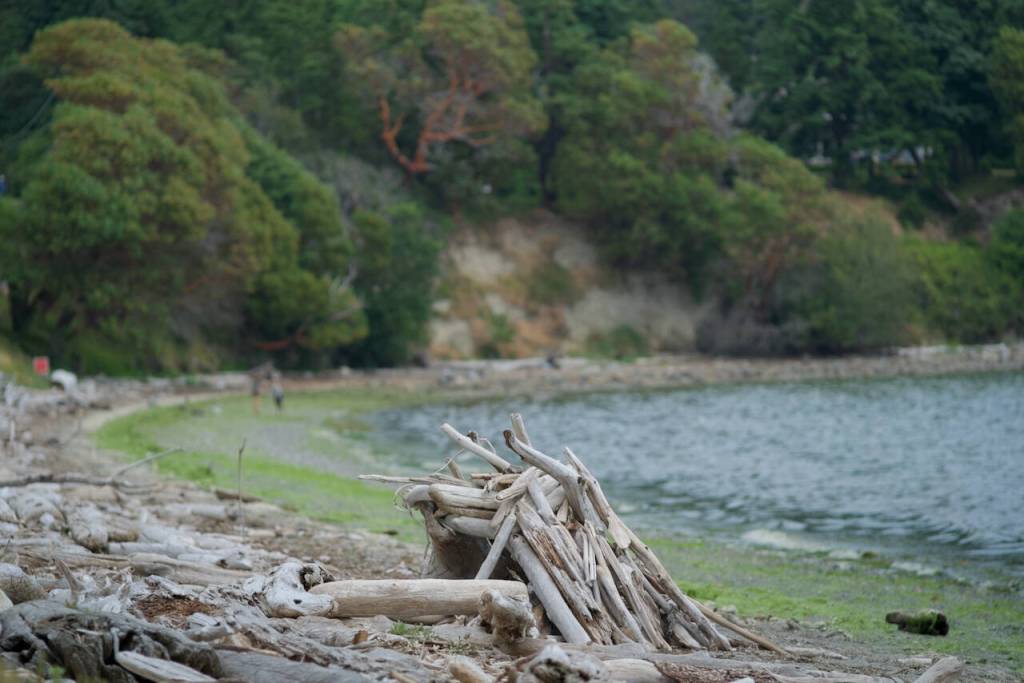
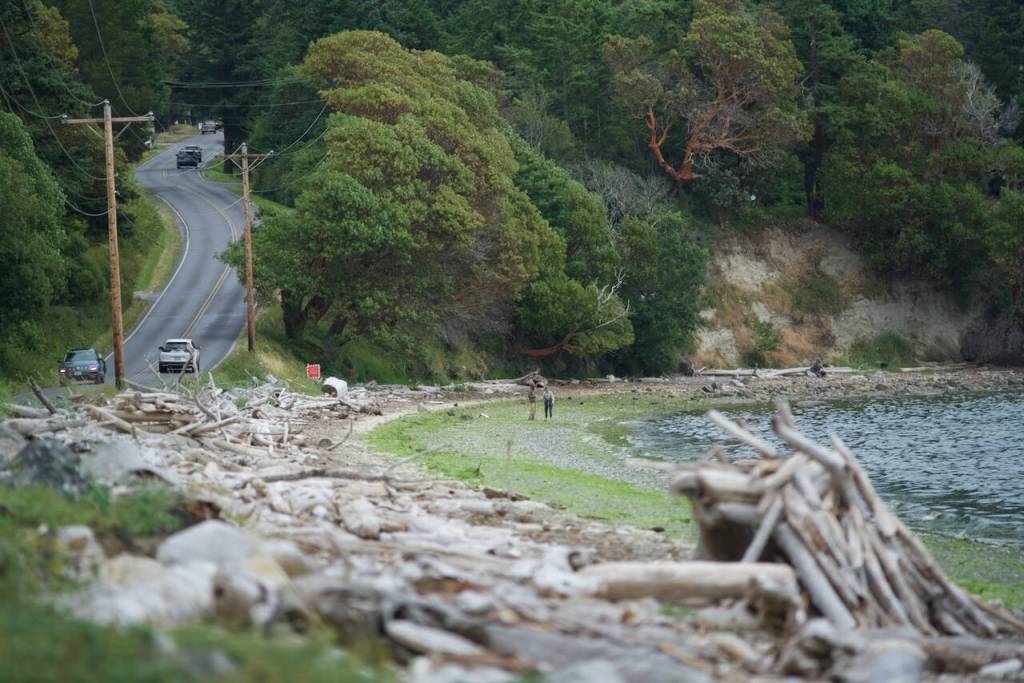
San Juan County has more miles of marine shoreline than any other county in Washington state. That fact, critics say, makes the County’s February 2026 draft update all the more troubling.
Buffers too narrow, science ignored
Friends of the San Juans submitted a detailed 20-page comment letter in March, arguing the draft fails to incorporate advances in scientific understanding that have accumulated since the County last reviewed its Best Available Science — nearly 27 years ago.
The most urgent concern is buffer width. The draft proposes shoreline buffers of just 100 to 110 feet — and actually reduces the existing 150-foot buffer for steep shoreline sites down to 110 feet. Neighboring Whatcom County requires 150 feet, Skagit County uses 100 to 200 feet and Jefferson County requires 150 feet with additional development setbacks.
“San Juan County is moving in the wrong direction for shoreline protection of anadromous fish,” the Friends letter states. According to the letter, “twenty of the twenty-two stocks of listed Puget Sound chinook salmon … have been documented utilizing the shorelines of the San Juans as essential rearing, feeding, refuge and migratory habitat.” Those chinook feed the Southern Resident killer whales, whose survival depends on a food chain that begins with forage fish spawning on local beaches.
Friends also argues that a long list of activities allowed within buffers — including vegetation clearing — undercuts whatever buffer width exists. Science requires fully vegetated buffers to filter pollution and protect habitat. Yet the draft allows clearing within them with no reliable mechanism to confirm that required mitigations are carried out.
Friends recommends the County “develop an improved tracking system to ensure adequate compliance monitoring and tracking is occurring. Friends has reviewed scores of projects that ‘required’ site inspection, post photos or mitigation actions and reporting and have found extremely limited evidence that required mitigations are occurring, never mind that they are successful.”
A researcher left out of the conversation
Russel Barsh, director of Kwiáht — a nonprofit conservation biology laboratory and scientific organization based in the San Juan Islands — says the County failed to consult the scientists who know these ecosystems best. Barsh studied at Harvard, taught at the University of Washington and spent years at the United Nations working on Indigenous peoples and their ecosystems. He says Kwiáht, which does the lion’s share of marine and terrestrial research and monitoring in the islands, was never contacted during the update process.
The consequences are already visible in the draft. The document incorrectly states that black oystercatchers depend on healthy eelgrass and forage fish. Kwiáht has monitored these shorebirds on local islets for nearly 20 years. They eat only intertidal shellfish and have no relationship to eelgrass.
“We could have told them that, but we were not asked,” Barsh said.
He is sharply critical of the process itself. “They would rather fight over how many feet wide a buffer should be than actually learn something about the specific characteristics of our island ecosystems,” he said. His research is regularly presented to regional and state scientific bodies — but not, he says, to his own county.
Legal stakes
A local attorney familiar with San Juan County land use law, who asked to remain anonymous, warned that the Friends letter amounts to a roadmap of every issue that could be challenged in court.
“This very detailed comment letter from Friends could save the county from an extended, expensive appeal of the CAO,” the attorney wrote in an email to the Journal.
That risk is real. According to the Friends of the San Juans’ letter, a recent ruling by the state’s Growth Management Hearings Board in Futurewise v. Snohomish County held that failure to update critical areas regulations when new science calls existing rules into question is grounds for legal appeal.
County planners were unavailable for comment.
The comment period remains open. Friends of the San Juans is urging the county to substantially revise the draft before it is finalized.
The 20-page comment letter from Friends of the San Juans to San Juan County is available here: https://tinyurl.com/countycao.