Top 10 Stories of 2014, No. 3: No recovery in sight
Published 10:36 am Monday, December 29, 2014
Lulu. Rhapsody. Indigo. The names might not ring a bell.
But with the disappearance of those three cetaceans, as well as L-120, the future of the Souther Resident killer whales grew even that much more precarious in 2014.
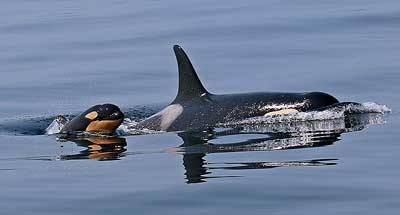
Born in early September, L-120 was nowhere to be found seven weeks later when its mother and relatives were sighted in the nearby waters of Juan de Fuca Strait.
High hopes were riding on the newborn, but its death served to extend an alarming absence instead. No calf survived to help bolster the ranks of the beleaguered population in more than 24 months. Whale researchers would have expected as many as eight to have been born over that time frame in the past.
The recent plunge sparked calls for follow-thru on much-debated steps to restore the region’s once abundant salmon runs, such as demolition of strategically located dams. It also prompted a renewed request for a repackaged protection zone off the west side of San Juan Island, off-limits to commercial whale-watch boats from spring to fall.
Lulu, or L-53, a 37-year-old female, and Indigo, L-100, a 13-year-old male, were documented missing and presumed dead over the summer. The body of Rhapsody, aka J-32, was recovered off the shore of mid-Vancouver Island in early December. Biologists say the 18-year-old female was carrying a near full-term baby and may have died from an infection caused by a failed pregnancy.
Declared endangered under U.S. federal law in 2005, the Southern residents totaled 89 animals at the time. With this year’s disappearance of four whales, the population now totals 77, an unsettling, alarming and most precarious 30-year low.