Increasing child fatality addressed at rally and in Legislature
Published 1:30 am Tuesday, January 20, 2026



By Annika Hauer
WA State Journal
Child fatalities and near-fatalities increased by about 75% between 2020 and 2024 — from 28 cases to 49 cases — and what to do about it took top priority at the Capitol on Wednesday, Jan. 14.
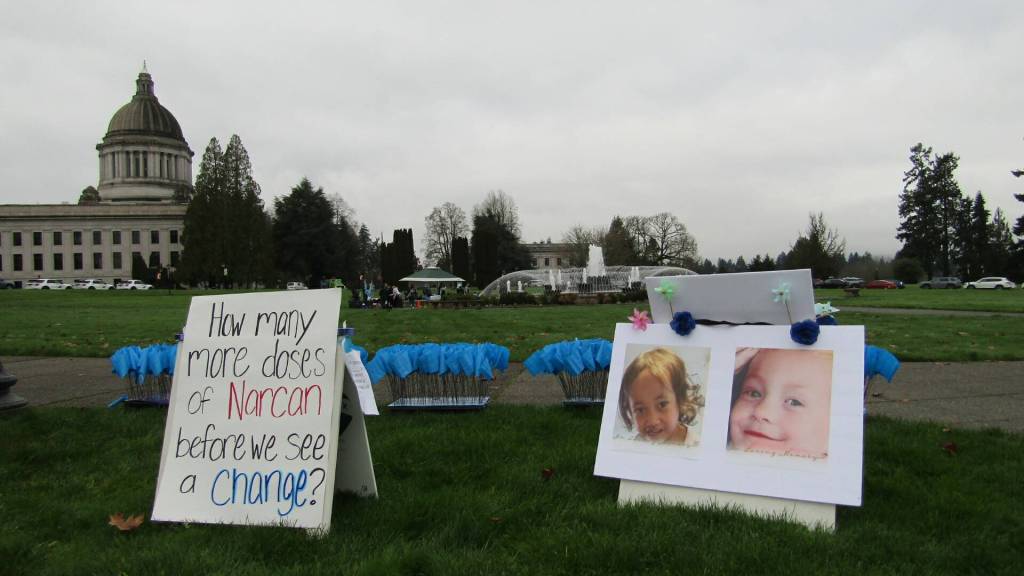
Keeping Kids Safe, an organization of foster parents that started amid concerns with HB 1227’s impact, organized a rally at the Capitol that blamed the Keeping Families Together Act (HB 1227), which came into effect in 2023, for the rise in critical cases. HB 1227’s sponsor, Rep. Lillian Ortiz-Self, D-Mukilteo, introduced a new bill on the same day. She says the new bill would address the rise in fentanyl, which she blamed for the rise in childhood fatality and injuries.
Tristan Fujita, foster parent and co-founder and vice president of Keeping Kids Safe, said, “We started seeing situations where children were found passed away in incredibly abusive situations.
“There had been several calls to CPS,” she said, referring to Child Protection Services. “We couldn’t do anything because it didn’t meet the threshold.”
HB 1227 intended to safely reduce the number of children in foster care and prevent government overreach into homes by setting the threshold that there had to be “imminent physical harm” for a child to be removed from their home.
The bill cites that removal of a child from their loved ones, even temporarily, is traumatizing for a lifetime. Also, Black and Indigenous children are disproportionately removed from their families.
The law states that “the existence of community or family poverty, isolation, single parenthood, age of the parent, crowded or inadequate housing, substance abuse, prenatal drug or alcohol exposure, mental illness, disability or special needs of the parent or child, or nonconforming social behavior does not by itself constitute imminent physical harm.”
Shauna Lowery, who attended the rally, is a social worker with the Department of Children, Youth, and Families in Spokane and vice chair of the Washington Federation of State Employees. Families have been referred to DCYF “time and time and time again,” she said. But CPS has been unable to do anything except to provide services, which are voluntary, so parents and guardians can refuse them.
“There’s nothing else that we can do,” Lowery said.
Ortiz-Self and DCYF attribute the critical case rise to fentanyl — over 50% of critical cases in 2025 were opioid-related. In 2024, HB 6109 was passed to amend that courts can “give great weight” to the lethality of drugs like fentanyl when considering removing a child from a home.
HB 1227 called for family support rather than child removal. Among these supports has been distributing Narcan, which reverses a fentanyl overdose, as well as lock boxes for users to put drugs into, away from children. Rally organizers said this is not enough.
“Are we going to just keep Narcaning people, or can we do something that’s a little bit more permanent?” Fujita said. “Getting people the help that they need so that they can safely parent their kids.”
Organizers cited a funding problem, but said HB 1227’s threshold criteria hold back DCYF workers from removing kids from harmful situations, whether there is adequate funding or not.
“Our members with our union are going out into these homes and knowing that there’s nothing that they can do to keep this child safe,” Lowery said. “It’s keeping us up at night. It is really affecting our mental health because then these kids die, and then we are the ones that are being put on trial … the media is blaming us, when it’s not us.”
Ortiz-Self’s new bill, HB 2497, was first read in the House on Jan. 14, which she hopes addresses the specific concerns that the data is showing about fentanyl.
It states that if there is “reasonable concern” for a child’s safety (a lower standard than the “imminent physical harm”), the courts can immediately order child care, addressing medical concerns, and removing the child temporarily from home, Ortiz-Self said. That list will be workshopped throughout this legislative session.
“We’ve got to be careful when we do government overreach,” Ortiz-Self said. “When you go into someone’s house and say, ‘you no longer can have your child,’ we’ve got to be able to prove that.”
Other bills seeking to address the rise in fatalities include HB 1092 from Rep. Travis Couture, R-Allyn, which would change the word “imminent” to “serious.” And HB 2511 from Rep. Tom Dent, R-Moses Lake, that allows “physical imminent harm” to include the presence of illicit drugs.
The Washington State Journal is a nonprofit news website operated by the WNPA Foundation. To learn more, go to wastatejournal.org.