Meeting scheduled on planned Westside Lake rotenone treatment to remove invasive northern pike
Published 1:30 am Monday, August 11, 2025
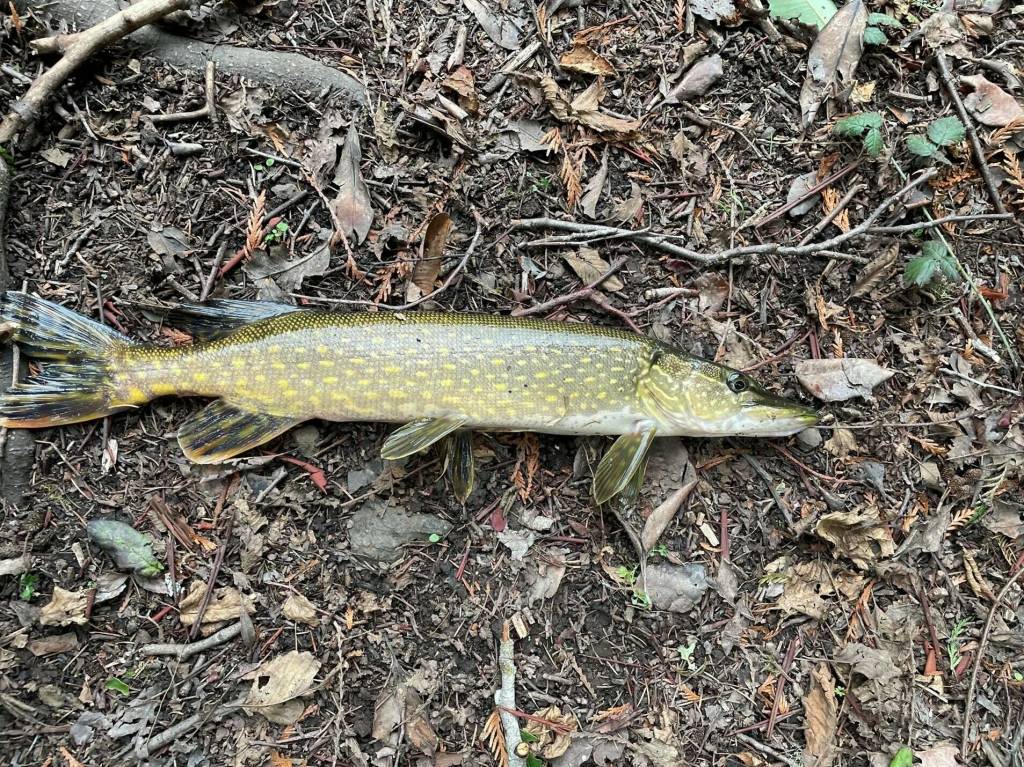
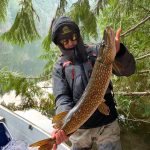
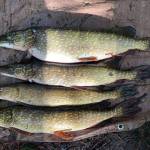
Submitted by the Washington Department of Fish & Wildlife.
The Washington Department of Fish & Wildlife and San Juan County Conservation Land Bank are co-hosting an in-person public meeting to hear community input on invasive northern pike management in Westside Lake on San Juan Island in San Juan County.
The public meeting will be held on Wednesday, Aug. 13, from 5-6:30 p.m. at the San Juan Island Grange (152 First St. N in Friday Harbor). WDFW representatives will discuss plans to treat Westside Lake (also known as Carefree Lake) with plans to remove illegally introduced northern pike.
WDFW will also be accepting written public input on the State Environmental Policy Act determination for the pike removal project. The public can view the proposed SEPA determination and project design starting Aug. 13 on WDFW’s SEPA webpage. People must submit comments online by 5 p.m. on Sept. 12.
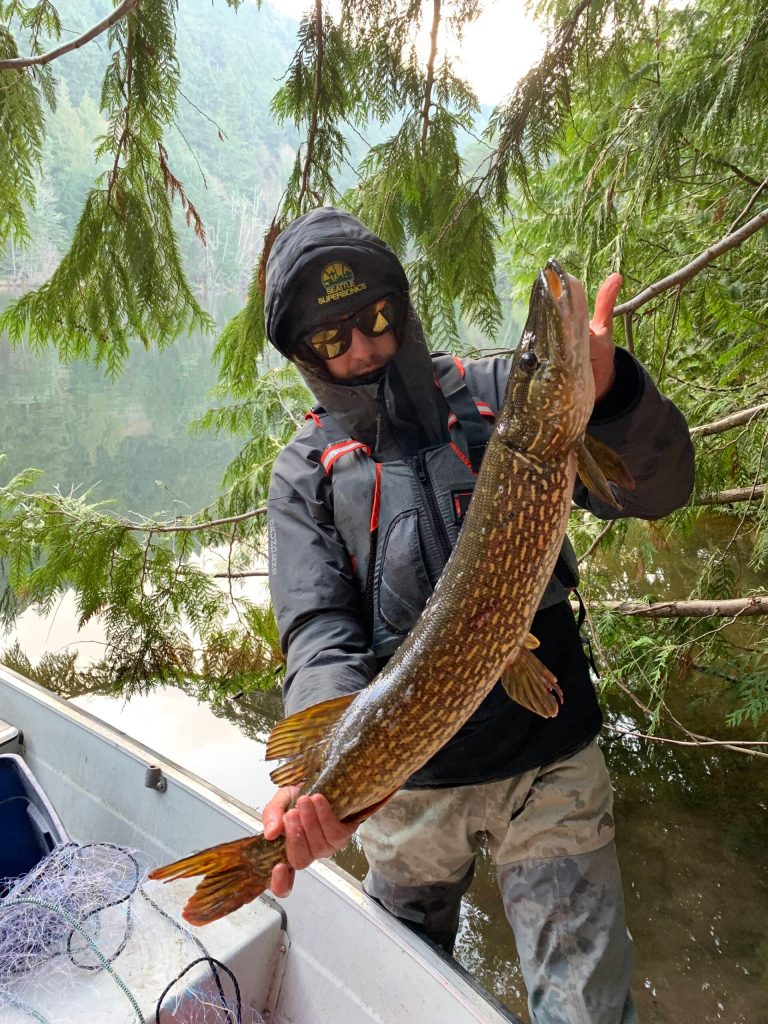
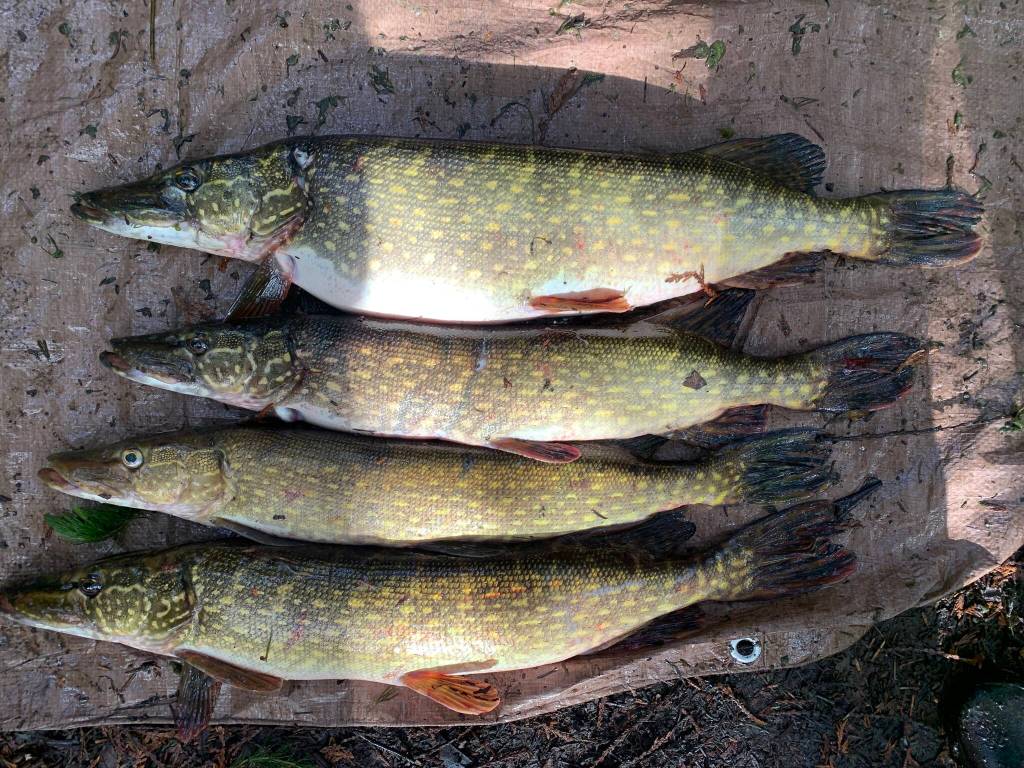
Highly invasive and aggressive predators, northern pike (Esox lucius) are a harmful non-native fish classified as a prohibited invasive species in Washington state.
“Pike can live more than 20 years, grow larger than 45 pounds, produce a large number of young, and consume large quantities of amphibians, birds, small mammals, and fish, including impacting Endangered Species Act listed salmon and trout,” said Justin Bush, WDFW’s aquatic invasive species division manager. “If left unchecked, northern pike will overpopulate and cause significant impacts on Washington’s aquatic ecosystems.”
Westside Lake is a small reservoir on the San Juan County Conservation Land Bank’s Limekiln Preserve. Following reports from a local angler in March 2024, WDFW crews used gillnets to remove 23 invasive pike from the lake.
The Department believes that additional measures are required to eradicate pike from the lake and to eliminate the potential for pike to be spread to other western Washington waterbodies where they may impact native species such as salmon.
WDFW has determined that a one-time treatment with rotenone is the best option to remove the harmful invasive fish. Rotenone is an organic substance derived from the roots of tropical plants, which the U.S. Environmental Protection Agency has approved for use as a fish pesticide. It has been used by WDFW in lake and stream rehabilitations for more than 70 years and is commonly used by other fish and wildlife management agencies nationwide.
WDFW finalized a statewide Interagency Northern Pike Rapid Response Plan in March 2024 following State Environmental Policy Act review. The plan emphasizes the need to act quickly after a detection of northern pike, with management actions that contain and eradicate the population so it doesn’t become a source population for other waterbodies. The plan includes guidelines for management actions, including chemical treatments to remove invasive pike from sensitive areas.
WDFW is working with the Land Bank, area treaty tribes and the Washington State Department of Ecology on management plans and treatment approaches.
If anglers catch northern pike in new areas, WDFW asks that they kill the pike immediately and do not release it, take a photo and report it by calling 1-888-WDFW-AIS, emailing ais@dfw.wa.gov or use the Washington Invasive Species Council reporting form or mobile app at invasivespecies.wa.gov/report-a-sighting/.
All members of the public are invited to share their perspective and participate in WDFW public feedback opportunities regardless of race, color, sex, age, national origin, language proficiency, religion, sexual orientation, gender identity and/or expression, veteran status or basis of disability.
The Washington Department of Fish & Wildlife works to preserve, protect and perpetuate fish, wildlife and ecosystems while providing sustainable fish and wildlife recreational and commercial opportunities.